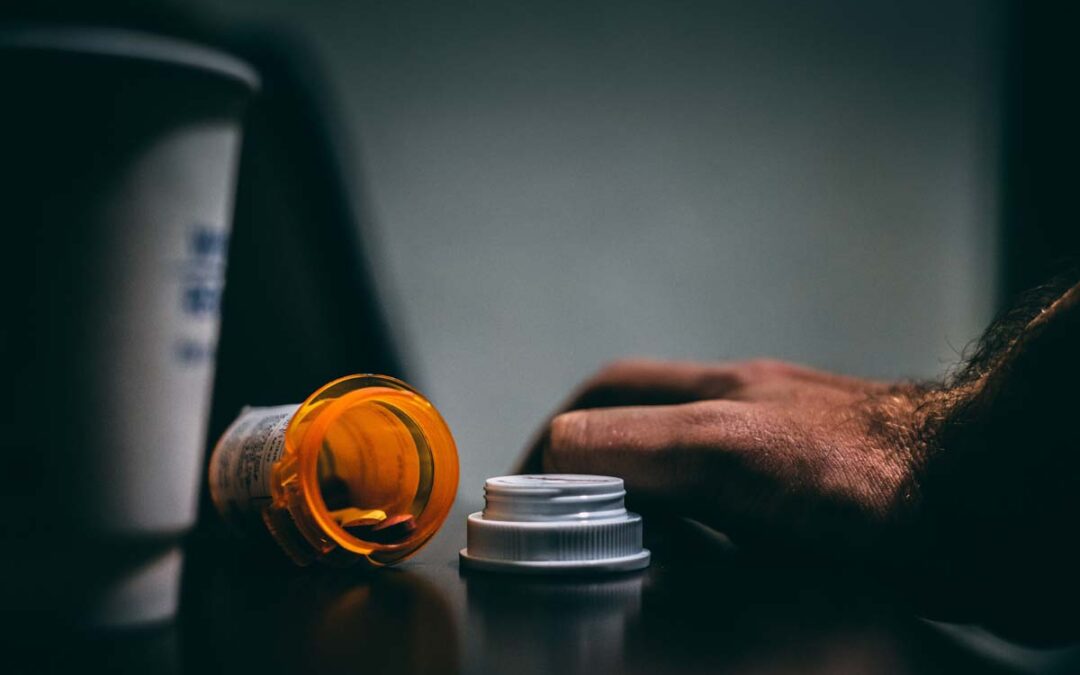
Drug detox can be a challenging journey. For many individuals living with active addiction, the body becomes an adversary. It is often pushed to its limits, ignored when it signals pain, or numbed when it asks for rest. Over time, this creates a profound disconnect. You might feel like you are merely inhabiting a shell rather than living within a vibrant, feeling system. The thought of detoxing, removing the substances that have been the buffer between you and your physical sensations, can be terrifying. There is often a fear that the body will rebel in painful and unmanageable ways.
However, modern drug detox programs are shifting the narrative from one of endurance to one of gentle reconnection. Drug detox is no longer just about “getting the drugs out”; it is about inviting the person back in. It is the first critical step in learning how to listen to your body again, treating it not with harsh discipline, but with the gentle care it has been craving for so long.
The Challenge of Disconnect During Addiction
Substance use disorders often function as a way to silence the body’s natural feedback loops. Hunger, fatigue, physical pain, and anxiety are suppressed by chemicals. When you enter drug detox, those chemicals are removed, and the volume on your physical sensations is turned back up.
This sudden return of sensation can be overwhelming. It’s common to feel raw, exposed, and hypersensitive. Without the right support, this experience can lead to immediate relapse, simply as a way to turn the volume back down. This is why attempting to detox alone is rarely successful and can be dangerous. A professional drug detox program understands that this re-entry into the body needs to be paced, supported, and deeply compassionate.
Gentle Care as a Foundation for Healing
In a high-quality drug detox program, “gentle care” isn’t just a phrase; it’s a clinical philosophy. It acknowledges that the body is in a fragile state of repair and requires softness, not force.
Medical Support to Ease the Transition
The physical symptoms of withdrawal are real and can be distressing. Gentle care begins with medical interventions designed to minimize this distress. Medication-Assisted Treatment (MAT) and other protocols are used to manage symptoms like nausea, insomnia, and anxiety. This medical safety net allows you to rest rather than writhe, making the process of physical stabilization much more humane and manageable.
Nutrition and Hydration
Addiction often depletes the body of essential nutrients. Reconnecting with the body involves nourishing it. Drug detox programs focus on hydration and nutrient-dense meals that are easy to digest. This simple act of feeding yourself—or being fed—sends a powerful signal of safety to your nervous system. It tells your body that the famine is over and that resources are available.
Physical and Emotional Reconnection
As the fog of substances lifts, you begin to feel again. This is where the work of reconnection truly starts. It involves learning to distinguish between different types of discomfort and responding to them appropriately.
- Listening to Signals: You might relearn what it feels like to be naturally tired versus exhausted, or hungry versus anxious. Staff in drug detox programs help guide you through this, helping you label sensations that might feel foreign after years of suppression.
- Rest as Medicine: In our productivity-obsessed culture, we often view rest as laziness. In drug detox, rest is reframed as an active medical necessity. Allowing your body to sleep, to lie still, and to do nothing is a radical act of self-care. It allows the brain to begin its complex repair work.
- Safe Movement: As energy returns, gentle movement like stretching or walking helps you inhabit your limbs again. This isn’t about exercise for fitness; it’s about embodiment—feeling your feet on the ground and your breath in your lungs.
The Role of Professional Support
The journey of reconnecting with a body that has been through trauma and addiction requires a knowledgeable guide. Professional support in a drug detox setting provides the external regulation you need while your internal regulation comes back online.
Therapists and medical staff provide a calm, steady presence. When you feel panic rising because your heart is racing, they are there to reassure you that you are safe and that your body is healing. They help you reframe sensations of withdrawal not as punishment, but as the body clearing out the old to make room for the new. This validation is crucial for building trust—both in the process and in your own resilience.
A New Relationship with Yourself
Detox is the beginning of a lifelong conversation with your body. It is the moment you stop fighting against yourself and start working with yourself. By prioritizing gentle care, professional drug detox programs teach you that your body is resilient, capable of healing, and worthy of kindness.
At Robert Alexander Center for Recovery, we specialize in medically supervised drug detox that prioritizes your comfort and dignity. We understand that this is a vulnerable time, and our compassionate team is here to wrap you in support every step of the way. If you are ready to stop the war with your body and start a journey of gentle reconnection, we are here to help. Reach out to us today to learn more about our detox programs.