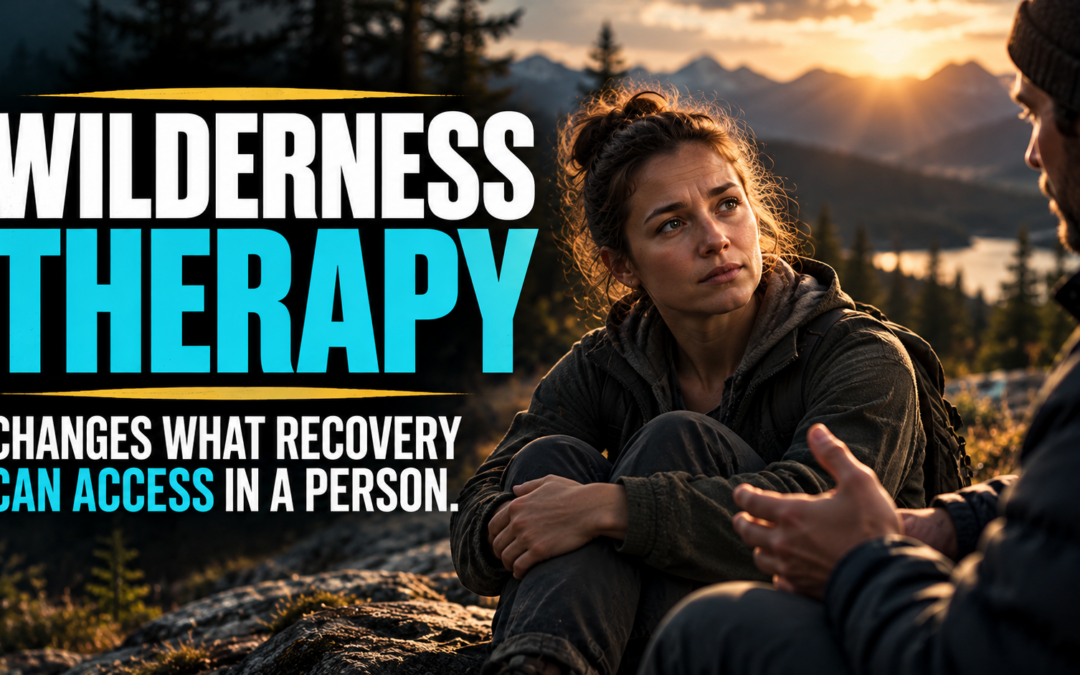
Wilderness therapy changes what recovery can reach in a person by changing the setting where healing happens. When someone steps away from screens, schedules and the familiar places tied to substance use, parts of them that felt locked away can start to surface.
If you or someone you love has worked hard in treatment and still feels stuck, that is not a sign of failure. Sometimes the right tools are already present, but the setting keeps getting in the way. A mind that is always on guard has little room left for reflection or change.
You may also feel unsure about approaches that sound unconventional. That caution makes sense. You deserve clear, honest information about what an outdoor approach can and cannot do so you can make a choice that fits your needs.
What Is Wilderness Therapy in Addiction and Mental Health Recovery?
Wilderness therapy in addiction and mental health recovery is a structured, clinically guided approach that uses outdoor settings, physical activity and group living to support healing. Trained professionals lead it, and the natural setting becomes an active part of the therapeutic process.
Activities might include hiking, setting up camp, cooking as a group or spending quiet time in reflection. Each task is chosen with a purpose. The goal is not adventure for its own sake but growth that carries back into daily life.
Wilderness therapy is sometimes grouped with other experiential therapies. These are approaches where people learn through doing rather than through conversation alone.
How Is Wilderness Therapy Different From a Camping Trip or Boot Camp?
Wilderness therapy is different from a camping trip because it has clinical goals and trained staff guiding every part of the experience. It is also different from a boot camp because it does not rely on punishment, fear or harsh discipline.
A camping trip offers rest and fun. A quality outdoor therapy program offers structure, safety planning and therapeutic support woven into each day.
This difference matters. When families look into outdoor programs, it helps to ask about staff credentials, safety practices and how the program connects with ongoing clinical care.
How Does Wilderness Therapy Change What Recovery Can Access in a Person?
Wilderness therapy changes what recovery can access in a person by removing the cues, pressures and routines that keep old patterns in place. In a new setting, a person often has more mental and emotional space for honest reflection and new habits.
Think of it like trying to hear a quiet song in a noisy room. The music is there the whole time, but you can only make it out once the noise fades. A calmer environment can help a person notice thoughts, feelings and strengths that daily life usually drowns out.
Why Does the Environment Shape What a Person Can Reach?
The environment shapes what a person can reach because the brain links places, people and routines to past behavior. Familiar surroundings can trigger cravings, stress responses and old ways of coping before a person even notices.
A certain street, a phone notification or a time of day can spark the urge to use. Facing those cues many times each day wears down even strong motivation.
When those cues are gone, the brain is not constantly reacting. That pause can make it easier to focus on the deeper work of recovery.
What Parts of a Person Become Easier to Access Outdoors?
Many people find it easier to access self-awareness, confidence and connection with others in an outdoor setting. These qualities are often present already but buried under stress and survival mode.
In wilderness therapy, people may notice:
- Emotions they usually avoid, because there are fewer distractions to hide behind
- A sense of capability, built by finishing real tasks like a long hike or a shared meal
- Trust in others, developed through teamwork and depending on a group
- Patience and presence, learned by moving at the slower pace of the natural world
These experiences are not a cure. They can, however, give a person a new starting point for the work that follows.
Why Does Removing Familiar Cues Matter?
Removing familiar cues matters because it gives new coping skills time to grow before they are tested in everyday life. Skills learned in calm conditions often feel more solid when a person later faces stress at home.
Picture learning to drive in an empty parking lot before heading onto a busy highway. The basics come first, then confidence builds.
Wilderness therapy can work in a similar way. It offers a quieter space to practice, while clinical care helps a person prepare for the return home.
Who May Benefit From Wilderness Therapy?
Wilderness therapy may benefit people who feel stuck in traditional talk-based treatment or who learn best through action and experience. It can also help those whose daily environment makes reflection feel almost impossible.
No single approach fits everyone. The best treatment plan is built around a person’s needs, history and goals.
This approach may be worth exploring if:
- You or your loved one finds it hard to open up while sitting in an office.
- Daily surroundings feel full of triggers that make focus difficult.
- You respond well to physical activity, teamwork and hands-on learning.
- Earlier treatment helped some, but something still feels out of reach.
- You want an approach that adds to clinical care rather than replacing it.
When Might Wilderness Therapy Not Be the Right Fit?
Wilderness therapy might not be the right fit when a person needs close medical monitoring, has certain physical health limits or is in active withdrawal. Safety always comes first.
Someone who is detoxing from alcohol, benzodiazepines or opioids usually needs medical supervision before any outdoor program. A person in a mental health crisis may also need a more protected setting.
A careful assessment can help you understand whether this approach fits now, later or not at all. That honesty protects both safety and progress.
How Does Wilderness Therapy Fit With Structured Clinical Treatment?
Wilderness therapy fits with structured clinical treatment as a complement that supports and deepens proven care. It works best as one piece of a broader plan that includes therapy, medical support and ongoing structure.
Addiction and mental health conditions affect the brain, body and relationships. Lasting recovery usually calls for more than one approach working together.
Why Does Clinical Care Still Lead the Plan?
Clinical care still leads the plan because evidence-based therapy and medical support address the core of addiction and mental health conditions. Outdoor experiences can open doors, but clinical work helps a person walk through them.
Common clinical approaches include individual therapy, group therapy and Cognitive Behavioral Therapy (CBT). CBT helps a person notice and reshape the thought patterns that drive substance use or distress.
Many people also carry anxiety, depression or trauma beneath their substance use. Our mental health treatment programs care for these struggles side by side with substance use, so the whole person receives support.
How Can a Change of Environment Happen Within Residential Care?
A change of environment can also happen within residential care, which removes daily triggers while keeping medical and clinical support close. This shares the same core idea behind wilderness therapy: a new setting can make new growth possible.
At the Robert Alexander Center for Recovery in Mount Washington, Kentucky, residential inpatient care offers a calm, structured setting with support around the clock. Each day is shaped around healing rather than competing with outside pressures.
For many people, this kind of focused environment provides the stability that early recovery needs. Experiential approaches, when used, can build on that clinical foundation.
How Do You Know When It Is Time to Seek Help?
It is time to seek help when substance use or mental health struggles feel hard to manage on your own, or when earlier efforts have not reached the deeper issues. You never have to wait for a crisis to deserve care.
Consider reaching out if any of these feel true:
- Substance use or emotional struggles are affecting your health, work or relationships.
- Your daily surroundings keep pulling you back toward old patterns.
- Traditional treatment has helped, but you still feel stuck or guarded.
- You want a recovery plan shaped around how you actually learn and heal.
- A loved one has gently shared concern about your well-being.
If any of these resonate, a conversation with a caring professional can bring clarity. An honest assessment can help you understand which level of care and which approaches fit best.
What Families Often Ask
Is wilderness therapy safe?
Quality programs are led by trained professionals who plan activities around each person’s health and abilities. Families should ask about staff credentials, safety procedures and medical support before choosing a program.
Can wilderness therapy replace traditional treatment?
No. It works best as part of a fuller plan that includes therapy, medical care and ongoing support. Each piece reaches something the others may miss.
What should come first if my loved one is still using substances?
Medical stabilization usually comes first, especially when withdrawal may be unsafe. Once a person is steady, a care team can help decide which approaches fit next.
How soon can care begin?
Support can begin soon after you reach out. Our admissions team can answer your questions, verify insurance and guide you toward the next step with patience and care.
A New Setting Can Help Reveal What Was There All Along
Wilderness therapy changes what recovery has access to in a person by changing the environment, giving quieter parts of that person room to emerge. It is not a magic fix or a replacement for proven care. It is one meaningful way a change of setting can support deeper healing.
Recovery is possible, and the strengths you need may be closer than they seem. If you or someone you love is ready to explore treatment that fits, please reach out to the Robert Alexander Center for Recovery today. Our caring team is ready to listen, answer your questions and help you take the next step. You are not alone, and help is here whenever you are ready.