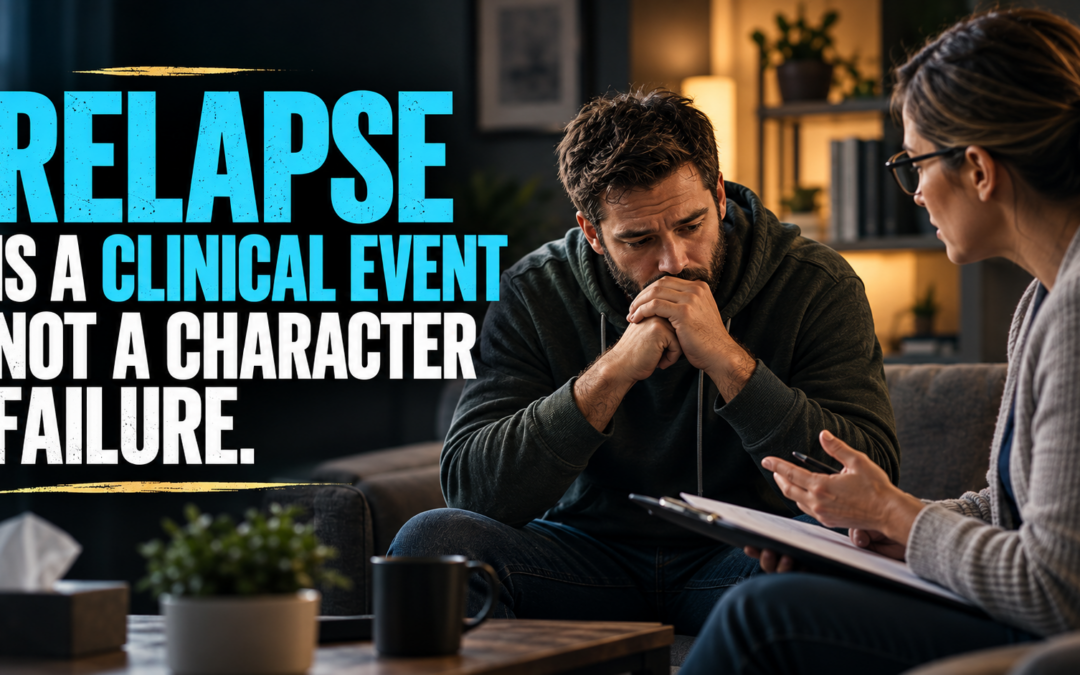
Relapse is not a character failure, even though it can feel that way in the moment. A person who returns to alcohol or drugs after weeks, months or years of sobriety often feels crushing shame. Families may feel heartbroken, angry or afraid that all the progress has been lost.
If you or someone you love is facing a relapse right now, please hear this clearly. You are not weak. You have not wasted your effort. The recovery skills built so far still count.
A return to substance use is a signal that something in the current plan needs attention. It points to a need for more support, different support or support that arrives sooner. When relapse is treated as useful clinical information instead of a moral verdict, it can become a turning point toward steadier and more lasting recovery.
What Does It Mean That Relapse Is Not a Character Failure?
Saying relapse is not a character failure means recognizing that addiction is a chronic health condition, and a return to use is a known part of that condition. It reflects changes in the brain, unmet needs and gaps in support, not a lack of values or willpower.
Addiction is clinically called a substance use disorder. Like other chronic conditions, it can improve with treatment, and symptoms can return under stress or without enough ongoing care.
Blaming character keeps the focus on shame. Understanding relapse as a health event keeps the focus on what can be done next.
How Does Addiction Change the Brain?
Addiction changes the brain’s reward, stress and decision-making systems, which makes cravings powerful and hard to resist. These changes do not disappear the moment a person stops using.
Think of a well-worn path through a field. Years of walking the same route leave a deep groove. A new path can be built, but the old one stays visible for a long time and is easy to slip back onto when you are tired or stressed.
That is why people can feel strong for months and then struggle suddenly. The old pathway is still there, waiting for a hard moment.
How Does Relapse Compare to Other Chronic Conditions?
Relapse in addiction follows a pattern similar to other chronic illnesses like high blood pressure and asthma. The National Institute on Drug Abuse (NIDA) estimates that 40 to 60 percent of people treated for substance use experience relapse, a rate comparable to those conditions.
When someone’s blood pressure rises again, no one calls it a moral failing. Their doctor adjusts medication, reviews habits and adds support.
Addiction deserves the same response. Relapse is not a character failure in that light. It is a sign that treatment needs to be reviewed and strengthened.
Why Should Relapse Be Treated as a Clinical Event?
Relapse should be treated as a clinical event because it gives the care team real information about what is and is not working. Each return to use has causes, timing and triggers that can guide better care.
When a clinician looks at relapse this way, the questions change. Instead of asking “Why didn’t you try harder?” the team asks “What was happening before this, and what support was missing?”
That shift protects dignity. It also leads to practical changes that make the next stretch of recovery safer.
Why Does Shame Make Relapse More Dangerous?
Shame makes relapse more dangerous because it pushes people to hide their use instead of asking for help. Someone who expects judgment may avoid calling their therapist, skip meetings or stop talking to family.
That silence can turn a brief slip into a longer return to use. It also raises safety risks, especially when a person uses alone.
A response built on compassion does the opposite. It keeps the door open, so the person can come back to care quickly.
What Can Relapse Reveal About the Treatment Plan?
Relapse can reveal gaps in the treatment plan, such as untreated mental health conditions, too little structure after discharge or triggers that were never fully addressed. Every relapse has a story, and that story often points directly to what needs to change.
What Gaps Do Relapses Often Expose?
Relapses often expose areas where support stepped down too fast or never reached the deeper drivers of substance use. Common gaps include:
- Untreated mental health conditions like depression, anxiety, trauma or attention-deficit/hyperactivity disorder (ADHD)
- A sudden drop in support after leaving residential or intensive care
- Unaddressed triggers at home, work or in certain relationships
- Unmanaged cravings that may respond to medication support
- Weak aftercare connections, such as no ongoing therapy or peer group
- Major life stress, including grief, job loss or conflict, without added care
Naming the gap is not about blame. It is about building a plan that fits the person’s real life.
Why Should a Plan Anticipate Relapse?
A plan should anticipate relapse because recovery is rarely a straight line, and preparation makes setbacks shorter and safer. Good care includes a relapse prevention plan before anyone needs it.
Picture a hiking guide who packs a first aid kit. The guide does not expect disaster, but knows a twisted ankle is possible on a long trail. Being ready means the injury gets treated quickly instead of ending the trip.
A strong relapse prevention plan names personal warning signs, coping steps, trusted contacts and a clear path back to care. It turns a frightening moment into a planned response.
What Warning Signs Should Families Notice?
Families should notice changes in mood, routine and connection that often appear before a person returns to use. Relapse usually builds over time rather than happening all at once.
Signs worth paying attention to include:
- Skipping therapy, meetings or check-ins they once attended
- Pulling away from supportive friends and reconnecting with people tied to past use
- Growing irritability, anxiety, low mood or trouble sleeping
- Talking about using in a fond or longing way
- Saying things like “I can handle just one” or “I was never that bad”
- Increased secrecy about time, money or phone use
- Stopping medication or treatment without talking to a provider
One sign may simply reflect a hard week. Several signs together deserve a calm, caring conversation.
What Are the Stages of Relapse?
Many clinicians describe relapse in three stages: emotional, mental and physical. Understanding them helps families step in early.
During emotional relapse, a person may stop caring for themselves, bottle up feelings and isolate. During mental relapse, part of them wants to use and part of them does not, and thoughts about using grow louder. Physical relapse is the actual return to use.
The earlier stages offer the best chance to add support before substance use begins again.
What Treatment Adjustments May Help After a Relapse?
Treatment adjustments after a relapse may include a higher level of care, new therapy goals, medication support or stronger aftercare. The right changes depend on what the relapse revealed and how severe the return to use has been.
Care is personalized, never one-size-fits-all. A thoughtful team reviews what happened and builds a plan that fits where you are now.
Possible adjustments include:
- Medical stabilization. If physical dependence has returned, medical detox offers a safe, supervised way to manage withdrawal.
- More structure. Residential inpatient care provides support around the clock and distance from daily triggers.
- Flexible ongoing care. Outpatient care helps people rebuild recovery while keeping up with work and family.
- Integrated mental health support. Our mental health treatment programs address conditions like depression, anxiety and trauma alongside substance use.
- Stronger aftercare. A refreshed aftercare plan can add therapy, peer groups and regular check-ins after treatment ends.
Therapies such as Cognitive Behavioral Therapy (CBT) can also help a person spot the thoughts and situations that led to relapse and practice new responses.
When Should You Seek Help Immediately?
You should seek help immediately if a relapse involves signs of overdose, unsafe withdrawal or thoughts of self-harm. A return to use after a period of sobriety carries special risk because tolerance drops, so a dose a person once used can now be dangerous.
Call 911 right away if someone:
- Has slow, shallow or stopped breathing
- Cannot be woken up or responds very little
- Has blue or gray lips or fingertips
- Has a seizure, chest pain or severe confusion
If you suspect an opioid overdose, give naloxone (often sold as Narcan) if you have it and stay with the person until help arrives. Fentanyl now appears in many street drugs, so this step can save a life even if opioids were not the intended substance.
If you or someone you love is having thoughts of suicide, call or text 988 to reach the Suicide and Crisis Lifeline, available any time.
How Do You Know It Is Time to Reach Out?
It is time to reach out when a relapse has happened or feels close, and you are unsure how to get back on track alone. You never have to wait for things to get worse to deserve care.
Consider contacting a treatment team if any of these feel true:
- You or your loved one has returned to using after a period of sobriety.
- Cravings have grown stronger and harder to manage.
- Warning signs like isolation or skipped appointments keep showing up.
- A past treatment plan never addressed mental health or major life stress.
- Shame is making it hard to tell anyone what is happening.
If any of these resonate, a confidential conversation with a caring professional can bring clarity and a clear next step.
What Families Often Ask
Does relapse mean treatment didn’t work?
No. Relapse means the plan needs adjusting, not that earlier progress was wasted. Skills and insight from treatment often make the path back shorter.
How should I respond when my loved one relapses?
Stay calm and lead with care rather than blame. Focus on their safety, encourage them to contact their care team and remember that boundaries can be loving too.
Will my loved one have to start over completely?
Not usually. A care team builds on what was already learned and adds the support that was missing.
How soon can care begin?
Support can begin soon after you reach out. Our admissions team can answer your questions, verify insurance and guide you toward the next step with patience and care.
A Setback Can Lead to a Stronger Plan
Relapse is not a character failure. It is a clinical event the treatment plan should have anticipated, and it can guide care that fits more closely to real needs. Your worth and your ability to heal remain whole.
Recovery is still possible, and returning to care is an act of courage. With honest assessment and compassionate support, steadier days can return.
If you or someone you love has experienced a relapse, please reach out to the Robert Alexander Center for Recovery today. Our caring team is ready to listen, answer your questions and help you take the next step. You are not alone, and help is here whenever you are ready.