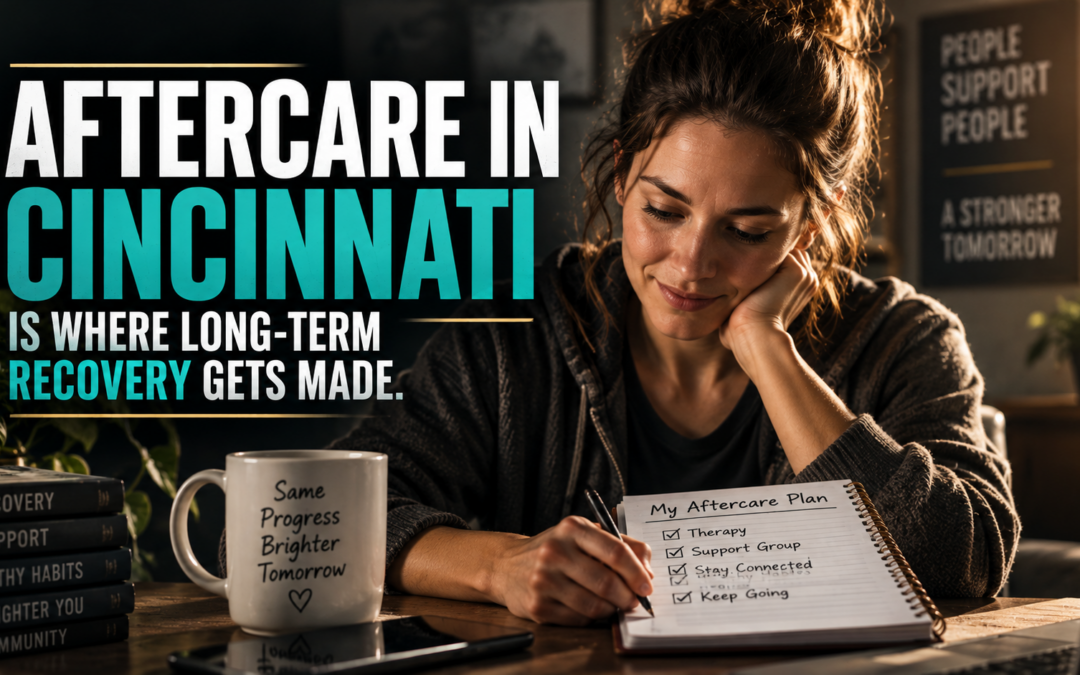
Aftercare in Cincinnati is where the real difference between completing treatment and sustaining recovery gets made, long after the last day of a formal program. Finishing treatment is a meaningful milestone, but the months that follow are where lasting change truly takes root.
If you or someone you love has worked hard through treatment, you may feel both proud and a little uncertain about what comes next. That mix of hope and worry is completely normal.
The good news is that recovery does not have to fade once treatment ends. Understanding what aftercare offers, and why it matters so much, is a gentle first step toward protecting the progress you have already made.
What Is Aftercare in Cincinnati and Why Does It Matter So Much?
Aftercare in Cincinnati is the ongoing support that follows a treatment program, designed to help you carry your progress into everyday life. It matters so much because recovery is not a single event. It is a long-term journey that continues well beyond the structure of a program.
Aftercare can include support groups, continued therapy, check-ins, and a clear plan for handling challenges. Together, these pieces keep you connected to help when you need it most.
Think of treatment like learning to swim in a calm, supervised pool. Aftercare is the support that stays with you when you move into open water, where the conditions are less predictable and steady guidance keeps you safe.
Why Does Recovery Feel Different After Treatment Ends?
Recovery feels different after treatment ends because the daily structure and constant support suddenly shift. During a program, each day has a clear shape and a team close by. Afterward, you return to a world that keeps moving.
Old routines, stressors, and reminders can reappear quickly. Without a plan in place, those pressures can feel overwhelming.
This is not a sign of weakness. It is simply the reality of stepping back into everyday life, and it is exactly why aftercare exists.
Why Does Aftercare Determine Whether Progress Holds?
Aftercare determines whether progress holds because it fills the gap between the safety of treatment and the demands of daily living. The skills you built in treatment need real-world practice and steady reinforcement to become lasting habits.
Recovery is most fragile in the early weeks and months after a program ends. Support during this stretch can make all the difference.
What Happens Without a Plan in Place?
Without a plan in place, it becomes easy to drift away from the practices that support recovery. Life speeds up, appointments get skipped, and small stressors can quietly build.
Picture planting a garden and then leaving it untended. The early growth is real, but without ongoing care, weeds and dry spells can undo that progress.
Aftercare is that ongoing care. It keeps you tending your recovery so it can grow strong and steady over time.
How Does Steady Support Protect Your Momentum?
Steady support protects your momentum by keeping you connected to people and tools that reinforce your goals. Regular check-ins and continued care catch challenges early, before they grow into setbacks.
When you have somewhere to turn on a hard day, you are far less likely to face it alone. That connection helps you respond to stress in healthier ways.
Over time, this steady support turns recovery from something you are working toward into a way of life you are living.
What Does an Effective Aftercare Plan Include?
An effective aftercare plan includes a personalized mix of ongoing support tailored to your needs, goals, and daily life. There is no single formula, because every person’s recovery looks a little different.
A thoughtful aftercare plan is built with you before treatment ends, so you leave with clear direction rather than uncertainty. It maps out where to turn, who to call, and how to handle common challenges.
Most strong aftercare plans include several key pieces:
- Continued therapy or counseling to keep processing challenges and building skills
- Regular support group participation for connection and accountability
- A relapse prevention plan that prepares you for triggers and high-risk moments
- Healthy daily routines that support sleep, stress management, and overall wellness
- A trusted list of contacts to reach out to when you need extra support
Each piece works toward the same goal. The aim is to help you feel steady, supported, and confident as you build your new life.
How Is an Aftercare Plan Personalized?
An aftercare plan is personalized by reflecting your specific history, needs, and circumstances rather than a generic checklist. Your work schedule, family life, and personal triggers all shape what your plan looks like.
A caring team considers the whole picture, including any mental health needs alongside substance use. This ensures the support fits your real life, not an idea of it.
When a plan truly fits you, it feels less like a set of rules and more like a roadmap you actually want to follow.
How Does Aftercare Connect With Support Groups and Outpatient Care?
Aftercare connects with support groups and outpatient care by weaving them into one steady web of ongoing support. These pieces reinforce each other, giving you connection, structure, and professional guidance all at once.
No single element carries recovery on its own. Together, they create a fuller, stronger safety net.
Why Are Support Groups So Valuable in Aftercare?
Support groups are so valuable in aftercare because they offer connection with people who truly understand your journey. Sharing struggles and celebrating wins with others in recovery reduces the isolation that can fuel setbacks.
For many people in and around Cincinnati, a regular group becomes a dependable anchor. It provides a place to be honest, accountable, and encouraged week after week.
Showing up consistently, even during calm stretches, builds the trust and belonging that make groups so protective over time.
How Does Outpatient Care Fit Into Aftercare?
Outpatient care fits into aftercare by providing continued professional treatment while you live at home and rebuild your daily life. It offers clinical support that support groups alone cannot provide.
For many people, outpatient care works hand in hand with peer support. One offers structured therapy and guidance, and the other offers shared understanding and community.
Together, they keep you steady as you transition back into work, relationships, and everyday responsibilities.
How Does Aftercare Support Mental Health Too?
Aftercare supports mental health by treating the whole person, not just the substance use. Many people carry both challenges at once, and lasting recovery depends on caring for both together.
When mental health needs go unaddressed, they can quietly undermine progress. Anxiety, depression, or trauma left untreated can pull a person back toward old patterns.
Our mental health treatment programs are designed to care for these connected struggles side by side. When your ongoing support addresses the full picture, your recovery gains a far stronger foundation.
How Do You Know When to Seek More Support?
You know it is time to seek more support when recovery starts to feel harder to manage on your own. You never have to wait for a setback to ask for help, and reaching out early is a sign of strength.
Consider stepping up your support if any of these feel true:
- Cravings, urges, or thoughts of using have grown stronger or more frequent.
- Your mood, anxiety, or mental health symptoms are deepening.
- You have started skipping meetings, appointments, or healthy routines.
- Old stressors or triggers feel overwhelming and hard to face alone.
- You feel isolated, discouraged, or unsure how to keep moving forward.
If any of these resonate, that is not a failure. It is simply a signal that stronger support could help you stay steady and protect your progress.
Common Questions Families Often Ask
How long should aftercare last?
Aftercare often continues for months or even longer, depending on your needs and progress. Recovery is a long-term journey, and ongoing support tends to grow lighter as you become steadier over time.
Is aftercare really necessary if treatment went well?
Yes. Completing treatment is a wonderful accomplishment, but the period afterward is when recovery is most vulnerable. Aftercare helps protect the progress you worked so hard to build.
What if my loved one resists ongoing support?
That is common, and gentle encouragement often helps. Sharing how aftercare protects their progress, and offering to help them stay connected, can make the idea feel far more approachable.
How soon can aftercare planning begin?
Aftercare planning ideally starts before treatment ends, so there is no gap in support. Our admissions team can answer your questions, verify insurance, and help you plan the next step with patience and care.
You Do Not Have to Sustain Recovery Alone
Aftercare in Cincinnati is where the difference between completing treatment and sustaining recovery actually gets made, because lasting change is built in the everyday moments that follow a program. Finishing treatment is a powerful beginning, and steady support is what helps that beginning grow into a lasting future.
Recovery is a journey, and you were never meant to walk it alone. With a thoughtful plan, caring guidance, and consistent connection, the progress you have made can hold and deepen over time.
If you or someone you love is ready to protect and sustain recovery, please reach out to the Robert Alexander Center for Recovery® today. Our caring team is ready to listen, answer your questions, and help you take the next step toward steadier, more hopeful days ahead. You are not alone, and help is here whenever you are ready.