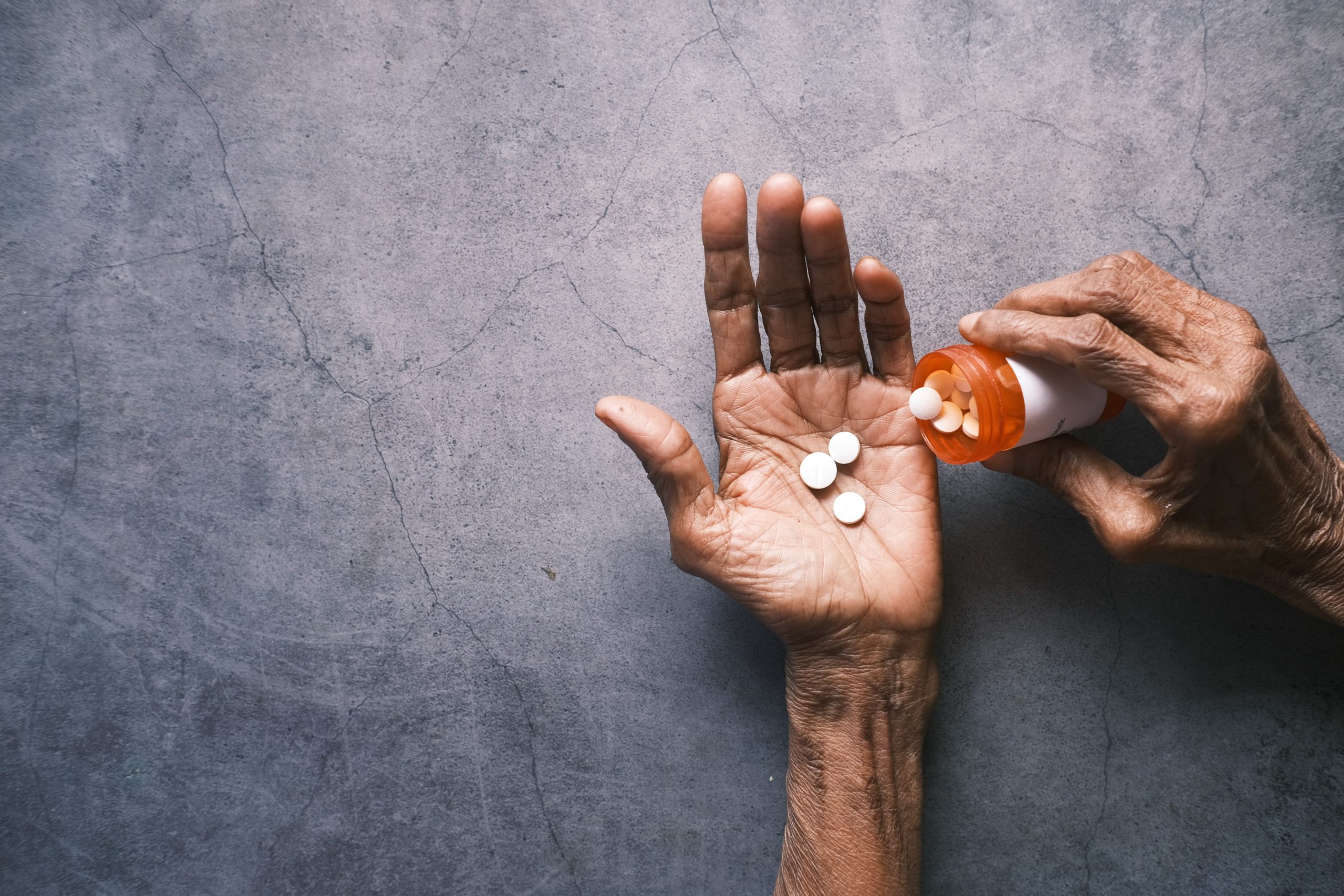
Watching a loved one struggle with substance use, or feeling trapped by it yourself, brings a heavy and persistent sense of exhaustion. You might find yourself repeatedly questioning why the simple, firm decision to stop is never enough to break the cycle. The pattern of attempting to quit, only to be met with intense and unbearable physical withdrawal symptoms, often leads back to using the substance again. This recurring loop is not just physically taxing; it is deeply discouraging and can erode one’s hope for a different future.
Your health journey, whether for yourself or a loved one, begins by embracing a vital truth: an opioid use disorder is not a moral failing, a character flaw, or a simple lack of personal willpower. It is a genuine, biological medical crisis that fundamentally alters brain function and body chemistry. Understanding this reality is the first step toward removing the heavy, suffocating burden of shame and self-blame that so often accompanies addiction. It is this understanding that empowers you to seek the specialized, clinical response necessary to safely heal the body, quiet the overwhelming cravings, and restore your natural vitality and well being.
Why Does Opioid Dependency Require Medical Intervention?
When an individual regularly uses opioids, whether they are prescription painkillers like oxycodone or illicit substances like heroin, their brain chemistry undergoes a fundamental and profound change. The human brain has its own system for managing pain and creating feelings of pleasure, primarily through chemicals called endorphins. Opioids mimic these natural chemicals but are far more powerful. With repeated use, the brain’s delicate system is overwhelmed. In response, the nervous system reduces or even stops producing its own pain relieving and feel good chemicals, learning to rely entirely on the external supply of opioids.
This creates a state of physical dependence. If you then try to stop using the substance abruptly, your body, now deprived of the chemical it has become accustomed to, goes into a state of shock. This abrupt absence triggers a cascade of severe, painful, and sometimes life threatening withdrawal symptoms that make quitting through willpower alone a nearly impossible feat. The physical agony, combined with intense psychological cravings, creates an overwhelming compulsion to use again simply to find relief. Attempting to manage this process at home, without medical supervision, is not only an incredibly difficult and often unsuccessful endeavor but also physically dangerous. You need compassionate, professional medical intervention to safely stabilize your physical health, manage the withdrawal process, and create a stable foundation from which you can begin to focus on the equally important work of emotional and psychological healing.
The Science of Opioid Withdrawal
Understanding the biological process of withdrawal can help demystify the experience and reinforce the need for medical care. When opioids are no longer present, the overstimulated nervous system rebounds, leading to a host of distressing symptoms. These can include:
- Physical Symptoms: Intense muscle aches and bone pain, abdominal cramping, diarrhea, vomiting, profuse sweating, chills, and goosebumps.
- Neurological Symptoms: Severe anxiety, agitation, insomnia, yawning, and a heightened sensitivity to pain.
- Cardiovascular Effects: Rapid heart rate and elevated blood pressure, which can be particularly dangerous for individuals with preexisting heart conditions.
This is not a test of strength; it is a physiological crisis. Medical detoxification, or “detox,” is designed to manage these symptoms under the care of healthcare professionals. Medications can be administered to alleviate the worst of the discomfort, reduce cravings, and ensure the patient’s physical safety throughout the process. This controlled, supportive environment is the safest and most effective way to navigate the initial, acute phase of recovery.
How Does Clinical Care Empower Your Health Journey?
True and lasting healing from opioid dependency requires treating the whole person, not just the physical symptoms of withdrawal. By engaging in a comprehensive opioid treatment program, you receive expert, multidisciplinary support tailored to your unique biological, psychological, and emotional needs. A dedicated clinical team, often comprising physicians, nurses, therapists, and counselors, collaborates to help manage withdrawal symptoms safely while providing a secure, non judgmental, and restorative environment.
This clinical setting is where the deeper work of recovery begins. You can discover the power of knowledge as empathetic therapists and counselors help you uncover and understand the root causes of the dependency. For many, substance use is intertwined with unprocessed trauma, chronic stress, or underlying mental health conditions like depression or anxiety. Addressing these core issues is fundamental to preventing relapse.
Building a Foundation for Long Term Wellness
Through evidence based therapeutic modalities, you will learn and practice new coping skills. These are practical tools to manage stress, regulate emotions, and navigate triggers without resorting to substance use. Cognitive Behavioral Therapy (CBT), for example, helps individuals identify and change destructive thought patterns and behaviors associated with addiction. Dialectical Behavior Therapy (DBT) provides skills for emotional regulation and distress tolerance.
This integrated, clinical approach does more than just help you stop using opioids; it builds a sturdy foundation for genuine balance, self awareness, and long term wellness. It empowers you with the knowledge, skills, and support system needed to reclaim your life and build a future free from the grip of dependency. It is a process of not just healing the body but also restoring hope, rebuilding relationships, and rediscovering a sense of purpose and joy in life.
Is opioid dependency a choice?
No. This is a critical point that cannot be overstated. While the initial use of a prescribed medication or an illicit substance might have begun as a choice, the resulting dependency is a complex biological adaptation within the brain. It is not a sign of weakness, a moral failing, or a lack of character. Opioid use disorder is a recognized, treatable medical condition, just like diabetes or heart disease. The brain’s reward pathways are hijacked, creating a powerful compulsion that overrides rational decision making. Viewing it as a health condition removes stigma and opens the door for effective, compassionate, and evidence based treatment, allowing individuals to get the help they truly need and deserve.
Frequently Asked Questions About Opioid Recovery
Can someone detox safely at home?
Detoxing without medical supervision is highly discouraged. The physical symptoms are severe and can lead to dangerous complications. Professional clinical care ensures you remain safe and as comfortable as possible during this vulnerable phase.
Does medication-assisted treatment just swap substances?
Absolutely not. Compassionate medication management uses carefully regulated treatments to stabilize your brain chemistry. This prevents cravings and withdrawal, giving you the clarity needed to fully participate in therapeutic healing.
Moving Forward Toward Lasting Health and Wellness
You do not have to fight this exhausting battle alone. Recognizing that you need medical support for a medical condition is an incredibly brave step forward. By choosing a program that honors your specific needs and provides expert clinical care, you can safely transform your life. Stay informed, stay healthy, and trust that a vibrant, stable future is entirely within your reach.
Unlock the secrets to wellness by reaching out for expert, empathetic support today. At the Robert Alexander Center for Recovery, we provide the comprehensive clinical response necessary to overcome dependency safely. Our dedicated team is here to help you rebuild your resilience and step back into your life with confidence. If you are ready to find genuine balance, contact us for Recovery today. Let us empower your journey to lasting health and hope.