
When someone you love is struggling with addiction, it can feel like your entire world is caught in the storm. The experience is often filled with confusion, fear, and a profound sense of helplessness. You may find yourself cycling through a range of emotions, from anger and frustration to deep worry and guilt. Addiction is not a journey one person takes alone; it sends ripples through the entire family system, straining relationships and leaving loved ones feeling lost and exhausted.
While your focus is rightly on helping your family member get well, it is just as important to recognize that the unit itself needs healing. This is where specialized family programs become a vital part of the recovery process. These programs are designed to educate and support loved ones, providing a clearer understanding of the nature of addiction and offering the tools needed to heal together. They create a space for families to rebuild trust, improve communication, and become a powerful force for positive, lasting change.
Why Addiction Is a Family Disease
Addiction is often referred to as a “family disease” not because it is contagious, but because it profoundly impacts the emotional health and functioning of the entire unit. Over time, family dynamics can shift to accommodate the addiction. Unhealthy patterns may develop, such as enabling behaviors, codependency, or a breakdown in honest communication. Loved ones may take on roles they were never meant to have, like that of a caretaker or a disciplinarian, leading to burnout and resentment.
These dynamics can inadvertently create an environment that, while well-intentioned, makes it difficult for sustainable recovery to take root. Without addressing these underlying patterns, the family system can remain a source of stress and potential triggers, even after a loved one completes treatment. A family program acknowledges that everyone has been affected and provides a path for each person to heal and grow.
The Pillars of an Effective Family Program
A comprehensive family program is designed to provide education, facilitate healing, and empower loved ones with practical skills. It is built on several key components that work together to transform the family from a unit in crisis to a source of strength and support.
Education to Demystify Addiction
One of the first steps in any program is education. Many misconceptions still surround addiction, leading to feelings of blame and shame. A quality program provides clear, evidence-based information about the science of addiction, explaining it as a chronic brain condition, not a moral failure. This knowledge can be incredibly liberating. It helps family members understand that their loved one is not choosing to cause pain but is struggling with a complex illness. This shift in perspective is the foundation for empathy and can replace judgment with compassion.
Learning to Communicate with Honesty and Empathy
Years of active addiction can destroy healthy communication. Conversations may become tense, dishonest, or avoided altogether. Family programs teach new, healthier ways to communicate. Through guided therapy sessions, family members learn how to express their feelings and needs constructively, without blame or anger. They practice active listening and develop empathy for one another’s experiences. These skills are essential for rebuilding trust and creating an environment where everyone feels safe, heard, and respected.
Setting Healthy Boundaries
In an effort to help, family members often develop enabling behaviors without realizing it. They might make excuses for their loved one, provide financial support that fuels the addiction, or shield them from the natural consequences of their actions. While born from love, these behaviors can prevent a person from fully recognizing the need for change. Family programs guide setting healthy boundaries. Boundaries are not punishments; they are acts of self-respect and are crucial for both your well-being and your loved one’s recovery. Learning to say “no” with love is one of the most powerful skills anyone can develop.
Healing Together for a Stronger Future
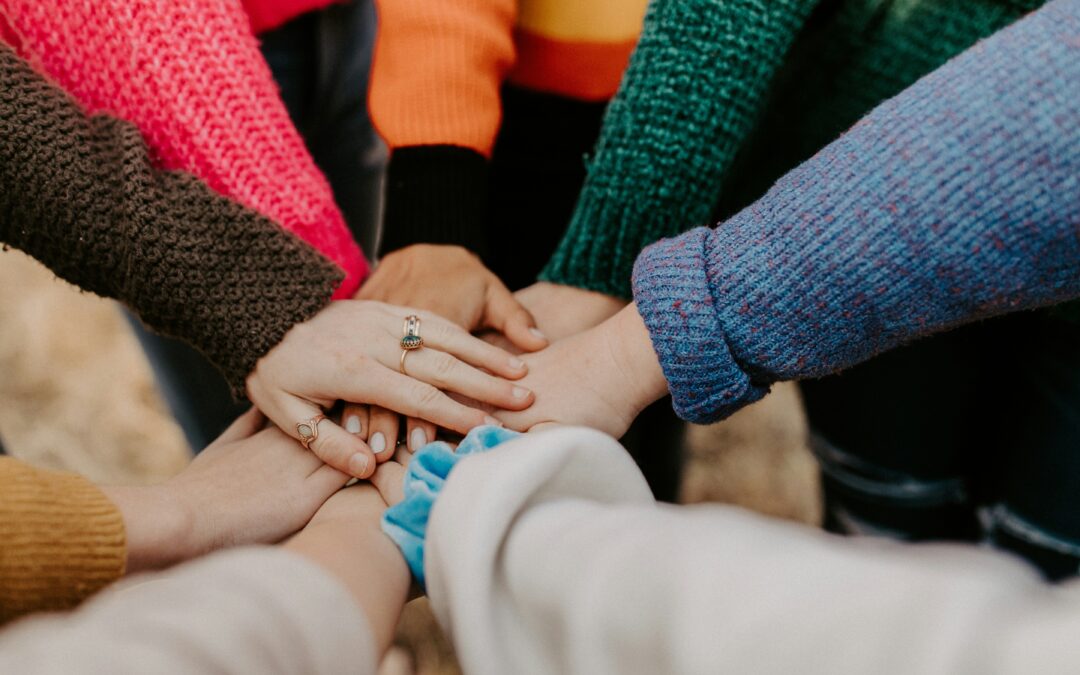
The goal of a family program is not to place blame but to foster collective healing. When a family comes together to learn and grow, they create a unified front that is far more powerful than any individual effort. By participating in this process, you are not only supporting your loved one’s recovery but also investing in your own emotional health. You learn to let go of guilt, manage your own stress, and build a life that is not solely defined by your loved one’s addiction. This journey transforms the system into a resilient, supportive team, ready to face the future with hope and strength.
Your Family Deserves to Heal, Too
Your love and support are invaluable on the path to recovery, but you do not have to navigate this journey alone. A family program provides the guidance, education, and community you need to heal as individuals and as a familial unit. It empowers you to become your loved one’s most effective ally while also taking care of your own well-being.
At the Robert Alexander Center for Recovery, we believe that family healing is integral to lasting recovery. Our programs are designed to give you a clearer understanding of addiction and provide the tools you need to support your loved one and yourself. If you are ready to rebuild, reconnect, and heal together, we invite you to reach out to our compassionate team today. A healthier future for your entire family is possible.