When you are navigating the heavy complexities of substance use and emotional distress, daily life often feels like an exhausting cycle. You might wake up feeling overwhelmed by stress, struggling to manage daily responsibilities while desperately searching for a way out of the storm. For many individuals in recovery, the environment you live in is filled with familiar triggers, making genuine healing feel completely out of reach.
Your health journey starts here. Choosing a residential treatment program is not about stepping away from your life in defeat. Instead, it is a profound act of courage and self-compassion. A residential setting provides a structured, supportive sanctuary where you can finally pause. It offers you a rare, deeply supported opportunity to reset your physical health, rebuild your personal identity, and reconnect with the vibrant life you deserve.
Why Is a Residential Environment Crucial for Early Recovery?
Healing from a substance use disorder requires much more than simply deciding to stop. When your nervous system is trapped on high alert, your mind and body need a profoundly safe environment to begin the repair process. Trying to heal in the exact same environment where your distress developed often leaves you vulnerable to the same stressors, habits, and relationship dynamics.
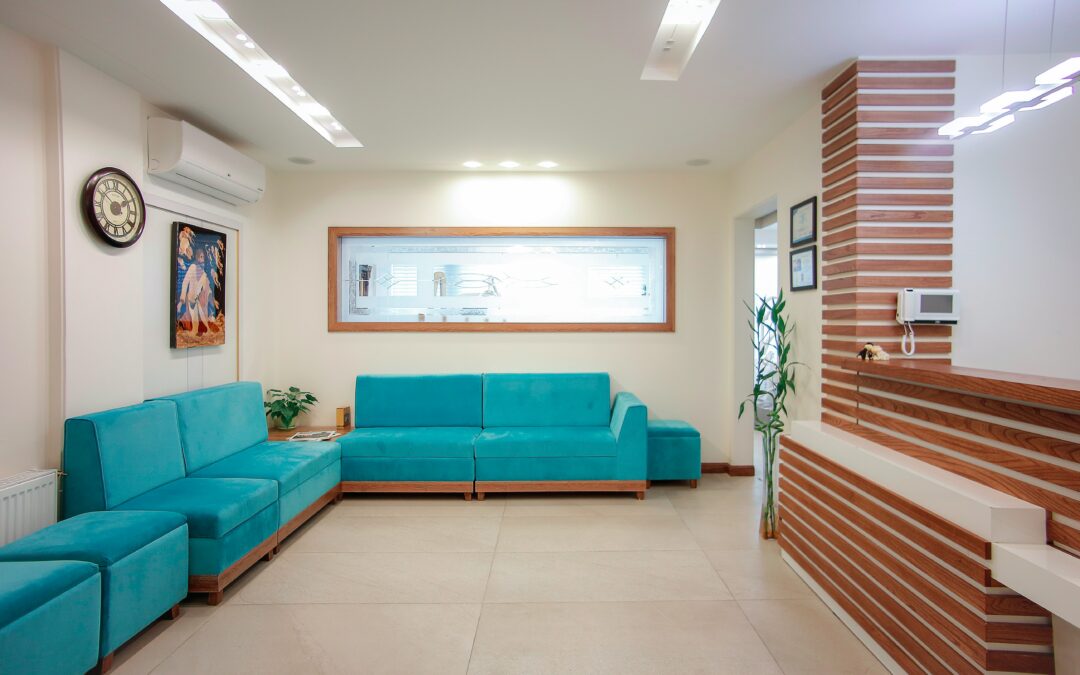
A residential center removes these immediate barriers. By stepping into a dedicated healing space, you gently quiet the outside noise. You no longer have to worry about managing a stressful commute, navigating complicated family arguments, or avoiding local triggers. This physical separation allows your mind to finally exhale and focus entirely on recovery.
When you feel physically and emotionally secure, you can redirect all of your energy toward understanding your health. You have the time and space to discover the power of knowledge, working alongside compassionate experts who guide you through the root causes of your distress. This level of immersive care creates a sturdy foundation that outpatient therapies alone might struggle to provide during the earliest, most vulnerable stages of recovery.
How Does Residential Treatment Help You Reset Your Mind and Body?
Substance use takes a significant toll on your physical vitality and emotional balance. Your sleep patterns become disrupted, your nutritional health often declines, and your brain chemistry adapts to the constant presence of the substance. Achieving lasting wellness requires a complete biological and psychological reset.
In a dedicated care environment, this reset happens gradually and safely. Medical professionals are available around the clock to support you through the initial detoxification process, ensuring you are comfortable, respected, and physically stable. Once the physical substances leave your system, the deeper work of restoring your natural vitality begins.
This includes focusing heavily on holistic well-being. Nutritionists and wellness experts help you rebuild your physical strength through balanced meals and gentle fitness routines. For those who may also be navigating a dual diagnosis, exploring a dual diagnosis treatment program that creates stability by addressing both mind and body can further support comprehensive healing. Your body learns how to rest properly again, establishing healthy sleep hygiene. By nurturing your physical health alongside your emotional well-being, you unlock the secrets to wellness and build a resilient foundation for the road ahead.
What Does It Mean to Rebuild Your Identity in Rehab?
Substance use often demands so much of your time and energy that it begins to overshadow your true personality. You might feel like you have lost touch with your passions, your core values, and the unique traits that make you who you are. Recovery is not merely about learning how to live without a substance; it is about actively reconstructing a life that brings you genuine joy and purpose.
In a nurturing residential environment, empathetic therapists help you explore who you are beneath the pain. Through evidence-based approaches like cognitive behavioral therapy and mindful self-reflection, you gently peel back the layers of trauma or anxiety that have weighed you down. You learn to challenge negative self-talk and replace it with profound self-compassion.
Rebuilding your identity also means discovering new ways to process your emotions. You might explore expressive therapies like art, music, or journaling. You will learn to set healthy boundaries, advocate for your own needs, and trust your internal voice. This emotional reconstruction empowers you to step back into the world not just as someone in recovery, but as a confident, whole individual ready to embrace the future.
How Can Reconnecting With Yourself and Others Change Your Journey?
Mental health struggles and substance use frequently thrive in isolation. When you are hurting, it is incredibly common to pull away from family, friends, and even your own internal compass. Shame and fear build a heavy wall between you and the support systems you desperately need to heal.
Breaking down those walls is a cornerstone of comprehensive care. Reconnection starts from within. By practicing mindfulness and grounding techniques, you learn to sit comfortably with your own thoughts. You stop running from your emotions and start treating yourself with the dignity and grace you truly deserve.
Equally important is the reconnection with a supportive community. Living alongside peers who deeply understand your specific struggles creates an atmosphere of mutual empathy. You share stories, setbacks, and triumphs in a completely non-judgmental space. This powerful peer support reminds you that you are never walking this path alone. Furthermore, family therapy sessions help repair strained relationships at home, teaching your loved ones how to support your long-term vitality effectively.
What Can You Expect From a Typical Day in a Residential Program?
Fear of the unknown often keeps individuals from seeking the help they need. Understanding the daily rhythm of a care facility can ease that anxiety. A structured, predictable routine is a vital tool for healing an overwhelmed nervous system.
When you enter a comprehensive residential treatment program, your days are purposefully designed to balance deep therapeutic work with necessary rest. A typical day often begins with a wholesome, nutritious breakfast and a morning mindfulness or meditation session to center your thoughts.
The core of the day involves a mix of individual counseling and dynamic group therapy sessions. Here, you gain expert tips for a healthier you, exploring topics like stress management, trauma recovery, and emotional regulation. Afternoons frequently include holistic activities—such as yoga, fitness training, or creative workshops—that nurture your mind-body connection. Evenings provide structured downtime, allowing you to reflect, read, or connect with peers before enjoying a restful night of sleep.
How Does Immersive Care Prepare You for Lasting Wellness?
The ultimate goal of stepping away from your daily life is to prepare you to return to it with newfound strength. Temporary care gives you the permanent tools you need to navigate life’s inevitable challenges. It transforms how you respond to stress, teaching you to seek healthy outlets rather than falling back on old habits.
You learn to identify the early warning signs of emotional fatigue. Instead of feeling controlled by unpredictable mood shifts or sudden cravings, you gain the clarity to make informed decisions about your health. This proactive mindset is the key to breaking the cycle of recurring setbacks.
You leave the program with a customized, comprehensive aftercare plan. This plan acts as your personal roadmap, detailing how to maintain your nutritional health, stay active, and engage with ongoing outpatient support or community groups. Stay informed, stay healthy, and trust in the solid foundation you have built during your stay.
How long does a residential program usually last?
Healing is a deeply personal experience, meaning there is no single timeline that works perfectly for everyone. Programs typically range from 30 to 90 days, depending on your unique biological and emotional needs. Your care team will work closely with you to determine the ideal length of stay to ensure you build a sturdy, lasting foundation.
Embrace the Opportunity to Transform Your Life
Choosing to seek residential help is the most powerful step you can take toward reclaiming your peace of mind. A specialized, residential immersive environment is not a place of restriction; it is a profound opportunity to pause the chaos. By removing daily stressors with residential treatment, you give your mind and body the grace they need to truly heal. Our residential program is designed to help you reset your biological rhythms, rebuild a confident and joyful identity, and deeply reconnect with the people and passions that bring absolute meaning to your world. This is the power of residential care.
At the Robert Alexander Center for Recovery, we believe in treating the whole person with unmatched compassion, dignity, and respect at our residential facility. Our dedicated residential experts provide an inclusive, nurturing residential environment designed to help you uncover your true strength. We integrate evidence-based therapies with holistic wellness practices to ensure you leave our residential treatment program with the tools necessary for a vibrant, balanced life after your residential stay.
If you or a loved one are ready to step out of the storm and embrace a life of lasting stability, reach out to the Robert Alexander Center for Recovery today. Let us support your journey to true wellness and help you build the beautiful, fulfilling future you deserve.