When you’re struggling with substance use, residential drug rehab can be the lifeline you need to break free from the cycle of craving, using, and recovering. In a safe, supportive environment, rehab provides the stability and structure to help you rebuild your life. It’s a place where you can wake up without fear and start working towards the peace and balance you deserve.
But stability is not impossible. It is waiting for you, often found in the quiet, structured environment of residential drug rehab. Residential treatment is more than just a place to stop using drugs; it is a sanctuary designed to help you rebuild your life from the ground up. It focuses on three essential pillars that are often eroded by addiction: rest for a weary body and mind, routine to create a predictable and safe world, and self-respect to anchor your future choices. By prioritizing these elements, residential rehab offers a path to lasting stability and a life reclaimed.
The profound Need for True Rest
In our fast-paced society, we often undervalue rest, viewing it as a luxury rather than a necessity. For someone struggling with addiction, true rest is almost non-existent. The body is constantly under siege, fighting the effects of substances, the pain of withdrawal, and the stress of maintaining an addiction. The mind is racing, hyper-vigilant, and often filled with anxiety or shame.
Healing the Physical Body
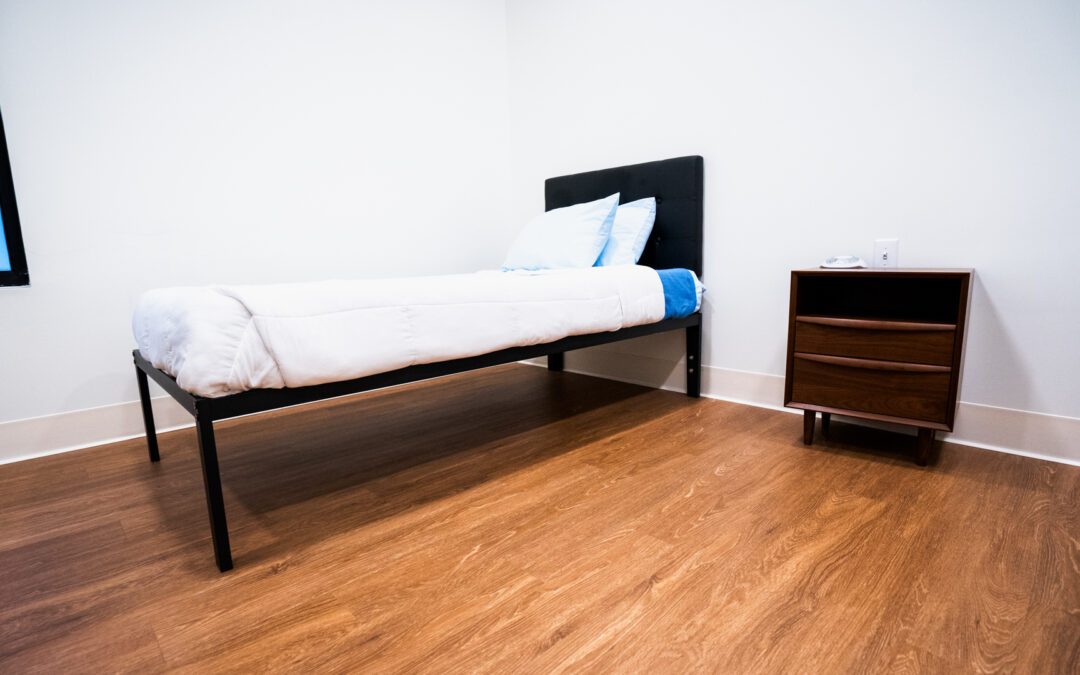
Residential drug rehab provides the immediate, critical opportunity for physical rest. This goes beyond simply sleeping, although getting a full night’s sleep is a revolutionary act in early recovery. It involves removing the toxic load from your system in a medically supervised environment, allowing your organs to heal, your nervous system to calm down, and your energy to return.
In a residential setting, you don’t have to worry about where you will sleep or if you are safe. That baseline security allows your body to shift out of “survival mode” and into “repair mode.” Nutrition is also a key part of this rest. Regular, healthy meals replenish the nutrients depleted by substance use, fueling the physical healing process.
Quieting the Mental Noise
Mental rest is just as vital. Addiction creates a chaotic internal dialogue, a constant negotiation between the desire to stop and the compulsion to use. Residential treatment quiets this noise. By removing you from your usual environment, you are shielded from the triggers, stressors, and relationships that fuel the chaos.
This separation creates a “mental pause.” You are permitted to stop worrying about work, bills, or family drama for a designated period so you can focus entirely on getting well. In this quiet space, the racing thoughts begin to slow, and for the first time in a long time, you can hear yourself think. This clarity is the first step toward understanding your addiction and moving past it.
The Therapeutic Power of Routine
Chaos is the hallmark of addiction; routine is the antidote. When active addiction takes over, days become unpredictable. You might sleep all day and be awake all night, eat sporadically, and miss important commitments. This lack of structure keeps the nervous system in a state of high alert.
Residential drug rehab counters this by immersing you in a structured, predictable daily routine. While it might feel rigid at first, this structure is actually a powerful therapeutic tool designed to restore balance and safety.
Regulating the Nervous System
A predictable schedule, waking up at the same time, eating at the same time, attending therapy sessions, and having designated free time, signals safety to the brain. Your brain learns that it doesn’t need to be constantly scanning for threats or scrambling for resources. It knows what comes next.
This predictability helps to regulate emotions. When your external world is orderly, your internal world begins to mirror that order. Anxiety decreases, and you gain the mental bandwidth to engage in the deeper work of therapy. You aren’t just getting through the day; you are living it with intention.
Building New Habits
Routine is also the training ground for life after rehab. By practicing healthy habits every single day, you are rewiring your brain. You are learning that:
- You can wake up and face the day without substances.
- You can handle social interactions in group therapy without a chemical buffer.
- You can prioritize self-care, like exercise and meditation.
These aren’t just activities; they are proofs of your ability to live differently. When you leave residential treatment, you take this blueprint with you. You know what a healthy day looks like because you have lived it, over and over, until it became familiar.
Accountability and reliability
Following a routine also fosters accountability. In active addiction, promises are often broken, to others and to oneself. In rehab, you are expected to show up. You show up for breakfast, for your peers in group meetings, and for your counseling sessions.
This simple act of showing up rebuilds a sense of reliability. You prove to yourself that you are trustworthy. You learn that you can commit to a schedule and follow through, which is a massive confidence booster. It replaces the shame of unreliability with the pride of consistency.
Restoring Self-Respect: The Foundation of Change
Perhaps the most devastating casualty of addiction is self-respect. Addiction often leads to behaviors that violate your own values, lying to loved ones, stealing, or neglecting responsibilities. These actions create a deep well of shame and a belief that you are fundamentally flawed or unworthy of a good life.
Residential drug rehab challenges this narrative. It operates on the fundamental belief that you are a person of worth, deserving of dignity and care. The entire environment is designed to help you rediscover and rebuild your self-respect.
Dignity in Treatment
From the moment you arrive, you are treated with respect. You are not “an addict” defined by your past; you are a human being with a medical condition seeking healing. The staff interacts with you with compassion and professionalism, modeling the respect you deserve. This external validation helps to counteract the internal voice of shame.
Living in a clean, comfortable, and caring environment also sends a powerful message: I am worth this effort. I am worth saving. When you treat yourself well—by eating healthy food, engaging in therapy, and keeping your living space tidy—you start to believe in your own value again.
Honest Self-Reflection
Therapy in residential rehab provides a safe space for honest self-reflection. You look at your past actions not to shame yourself, but to understand them. You learn to separate your identity from your behaviors. You realize that you did things you aren’t proud of because you were sick, not because you are “bad.”
This distinction is crucial for self-respect. It allows you to take responsibility for your past without being crushed by it. You can make amends where possible and forgive yourself where necessary. As the weight of shame lifts, self-respect has room to grow.
Accomplishment and Efficacy
Self-respect is also built through accomplishment. Every day in rehab brings small victories:
- Sharing a difficult emotion in group therapy.
- Completing a writing assignment.
- Getting through a tough craving without using.
- Helping a peer who is struggling.
These moments accumulate. They demonstrate your competence and your goodness. You start to see yourself as capable, kind, and strong. You leave treatment not just with a plan for sobriety, but with a renewed sense of who you are and what you have to offer the world.
The Long-Term Impact of Stability
The goal of residential drug rehab is not just to get you sober for 30, 60, or 90 days. It is to create a foundation of stability that lasts a lifetime. The lessons of rest, routine, and self-respect are portable; they are tools you carry with you long after you leave the facility.
- Rest becomes a boundary you set to protect your mental health.
- Routine becomes the scaffolding that holds your life together when things get stressful.
- Self-respect becomes the filter through which you make decisions: Does this choice honor the person I have worked so hard to become?
When these three elements are integrated into your life, relapse becomes less likely. You are no longer running on empty, living in chaos, or hating yourself. You are grounded, nourished, and dignified. This is the definition of lasting stability.
A New Chapter Awaits
If you are tired of the chaos and ready for stability, residential drug rehab offers a path forward. It is a place where you can finally rest, where you can find comfort in routine, and where you can remember the person you were always meant to be.
At the Robert Alexander Center for Recovery, we specialize in creating this environment of healing. We believe in your potential to recover and thrive. Our residential programs are designed to wrap you in support while giving you the tools to build a life of lasting stability. You don’t have to weather the storm alone any longer. Reach out to us today, and let’s begin the work of rebuilding your life—with rest, routine, and respect.